How Interaction Design Improves B2B SaaS Conversion Rates

Why Interaction Design Is the Overlooked Lever in B2B SaaS
Most B2B SaaS businesses invest heavily in acquisition — ads, content, sales teams, outbound. But the conversion from free trial to paid subscription is often lost not because of pricing or feature gaps, but because of the experience inside the product itself. Poor interaction design creates friction at the exact moments when users are trying to discover value.
As a specialist interaction design agency working with B2B SaaS companies across the UK, we see the same patterns repeatedly: trial users who signed up with genuine intent, reached a confusing onboarding screen, and never came back. The product sold itself; the experience let it down.
What Is Interaction Design?
Interaction design is the discipline concerned with how users engage with a digital product — the specific moments of action and response that make up the experience of using software. It encompasses:
- Micro-interactions: The small, functional animations and state changes that confirm actions, provide feedback, and guide users through tasks — button press confirmations, loading states, form validation, success toasts.
- Navigation and information architecture: How users move through the product, where they expect to find features, and how the structure of the interface matches their mental model.
- Input design: How forms, filters, search interfaces, and data entry flows are structured to minimise cognitive load and reduce errors.
- Feedback and error handling: How the product communicates what is happening, what went wrong, and what the user should do next.
- Onboarding flows: The sequence of interactions that takes a new user from sign-up to their first moment of value — the "aha moment" — as efficiently as possible.
Done well, interaction design is invisible. Users simply feel that the product is intuitive, responsive, and easy to use. Done poorly, it generates low-level friction that users cannot always articulate but consistently causes them to churn.
The Connection Between Interaction Design and Conversion
In B2B SaaS, the trial-to-paid conversion rate is one of the most important metrics in the business. Industry benchmarks put average trial conversion at eight to fifteen percent for self-serve products, but best-in-class products regularly achieve twenty-five percent or higher. The difference is rarely the feature set. It is almost always the experience.
Onboarding Completion Rate
Research consistently shows that users who complete the onboarding flow are three to five times more likely to convert to paid. Every unnecessary step, confusing instruction, or unclear UI element in the onboarding sequence reduces the completion rate — and with it, the conversion rate.
A UI UX design agency focusing on interaction design will analyse drop-off points in the onboarding flow and redesign the specific interactions causing abandonment. In our experience, targeted onboarding interaction improvements typically produce a fifteen to forty percent improvement in completion rate within the first three months.
Time-to-Value
Time-to-value is the gap between sign-up and the moment a user first experiences the core benefit of the product. Interaction design directly controls this metric. Confusing navigation, unclear affordances, and poorly designed data input flows all extend time-to-value. Reducing it — through better interaction patterns, progressive disclosure, and intelligent defaults — accelerates the moment users decide the product is worth paying for.
Feature Discovery
Many B2B SaaS products have powerful features that trial users never find because the interaction design does not surface them effectively. Contextual tooltips, empty state messaging, in-app prompts triggered at the right moments, and well-designed feature discovery flows are all interaction design decisions that directly influence whether users encounter the product's full value proposition before their trial expires.
Key Interaction Design Patterns That Drive Conversion
Based on our work with B2B SaaS companies as their user experience design agency, here are the interaction patterns that consistently move conversion metrics:
Progressive Onboarding
Rather than front-loading onboarding with setup tasks, progressive onboarding defers non-critical configuration until the user needs it. The pattern gets users to their first value-delivering action as quickly as possible, then surfaces additional setup steps in context, triggered by the user's own behaviour. The most successful B2B SaaS products have adapted this pattern for professional contexts to great effect.
Intelligent Empty States
Empty states — the screens users see before they have added data or taken action — are among the most underutilised conversion opportunities in B2B SaaS. A well-designed empty state explains what the feature does, shows users what the populated state looks like, and provides a clear, low-friction action to get started. A poorly designed empty state shows a blank screen that leaves users unsure what to do next. The difference in activation rates between these two approaches is dramatic.
Contextual Micro-copy
Micro-copy — the small labels, helper text, placeholder text, and confirmation messages that appear throughout a product — is a core interaction design responsibility. In B2B SaaS, users often encounter unfamiliar concepts, technical terminology, and complex workflows. Contextual micro-copy that anticipates confusion and answers questions in place prevents the support tickets and drop-offs that cost conversion rates.
Error Prevention and Recovery
Every error a user encounters during a trial reduces the likelihood of conversion. Interaction design's role in error handling is two-fold: prevent errors through clear affordances, sensible defaults, and input validation; and when errors do occur, communicate them in plain language with a clear path to resolution. The difference between "Error 422" and "The email address you entered is already associated with an account — would you like to log in instead?" is the difference between a churned trial user and a converted one.
Progress and Momentum
Humans are strongly motivated by progress. Interaction design can leverage this through progress indicators, completion checklists, and achievement moments that give users a sense of forward momentum during onboarding and early product use. Products that help users feel they are building something — rather than configuring a tool — consistently show higher activation and conversion rates.
How to Audit Your Interaction Design for Conversion Opportunities
If you want to understand where interaction design friction is costing you conversions, start with these three activities:
Session Recording Analysis
Tools like FullStory, Hotjar, and LogRocket allow you to watch recordings of real user sessions in your product. Focus on trial user sessions in the first forty-eight hours. Look for rage clicks (repeated clicking on non-interactive elements), hesitation points (long pauses before taking action), and abandonment moments (where users stop and leave). These are the interaction design failures costing you conversions today.
Funnel Drop-off Analysis
Map your onboarding flow as a conversion funnel and measure the completion rate at each step. A step with a significantly higher drop-off rate than those around it is almost always an interaction design problem — either the task is unclear, the UI is confusing, or the value of completing the step is not communicated effectively.
Moderated Usability Testing
Nothing replaces watching a real user attempt to use your product for the first time. Five moderated usability sessions with target users who have not seen the product before will surface more actionable interaction design issues than weeks of analytics review. The questions, hesitations, and wrong turns users make reveal exactly where the interaction design is failing.
The Business Case for Investing in Interaction Design
A two percent improvement in trial-to-paid conversion rate on a SaaS product with ten thousand monthly trial users and a fifty pound monthly ARPU is worth one hundred thousand pounds per year in additional revenue. The interaction design work that produces that improvement typically costs a fraction of that figure — and the improvement compounds over time as the improved experience works for every new trial user who joins.
The question is not whether interaction design affects conversion. The data is unambiguous: it does. The question is whether your product's interaction design is working for you or against you.
Work With a Specialist Interaction Design Agency
If you want to understand how interaction design improvements could increase your trial-to-paid conversion rate, book a free design consultation with our team. We will review your current onboarding flow, identify the three highest-impact interaction design improvements, and give you a clear picture of the conversion opportunity — whether you work with us or not. As a dedicated UI UX design agency with a track record across B2B SaaS products, we give you evidence-based recommendations, not guesswork.
Choosing a partner for this work? Read our guide to choosing a B2B design agency in the UK.
Hiring a B2B design agency? Use our UX agency brief template to scope the work.
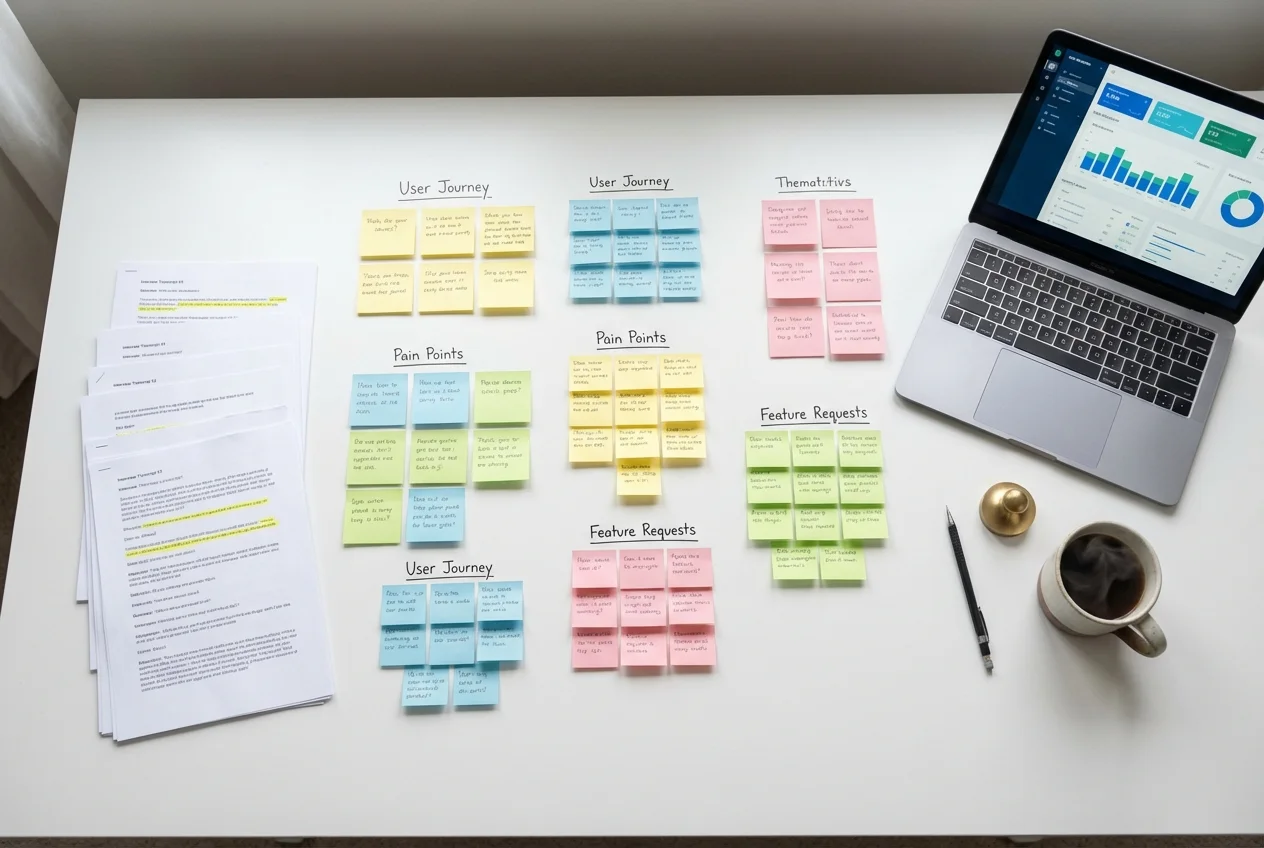 UX Research
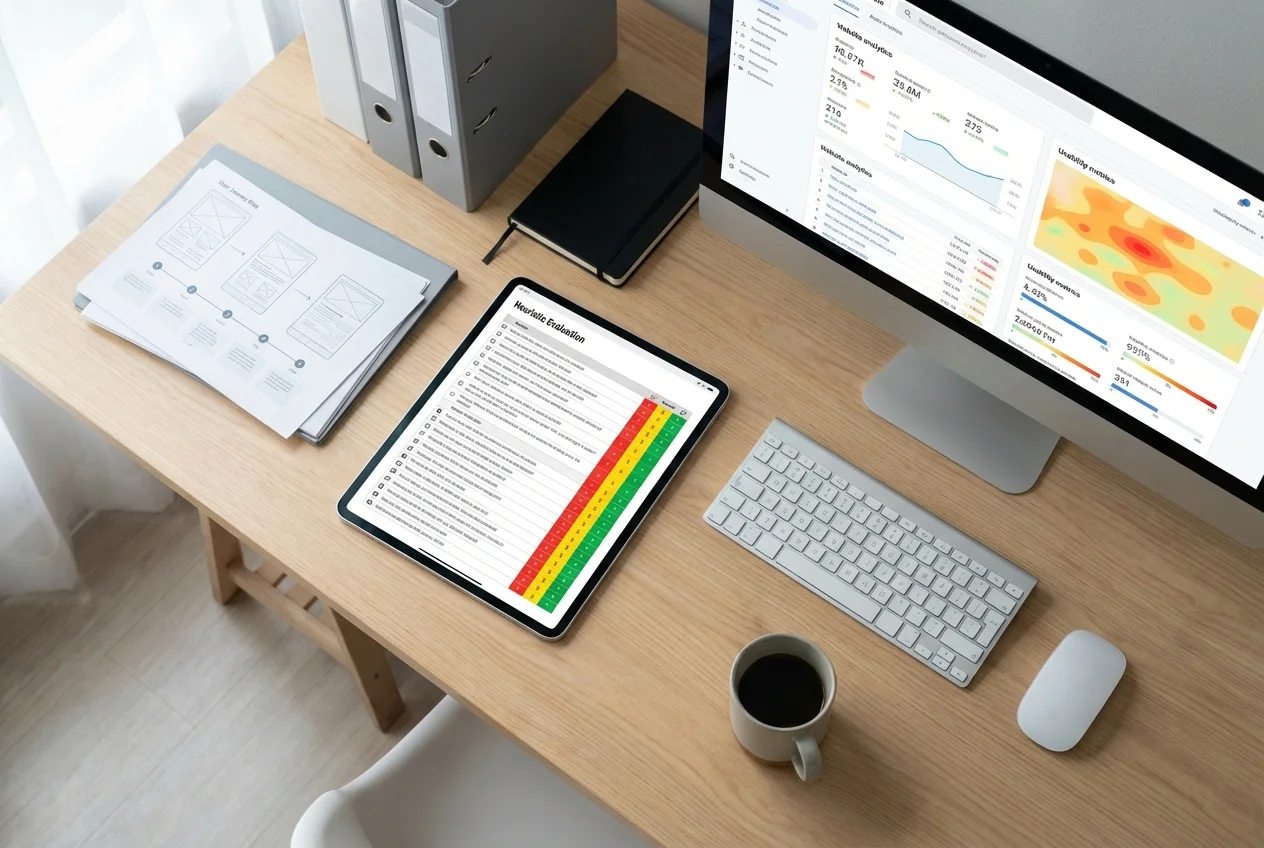 UX Audit
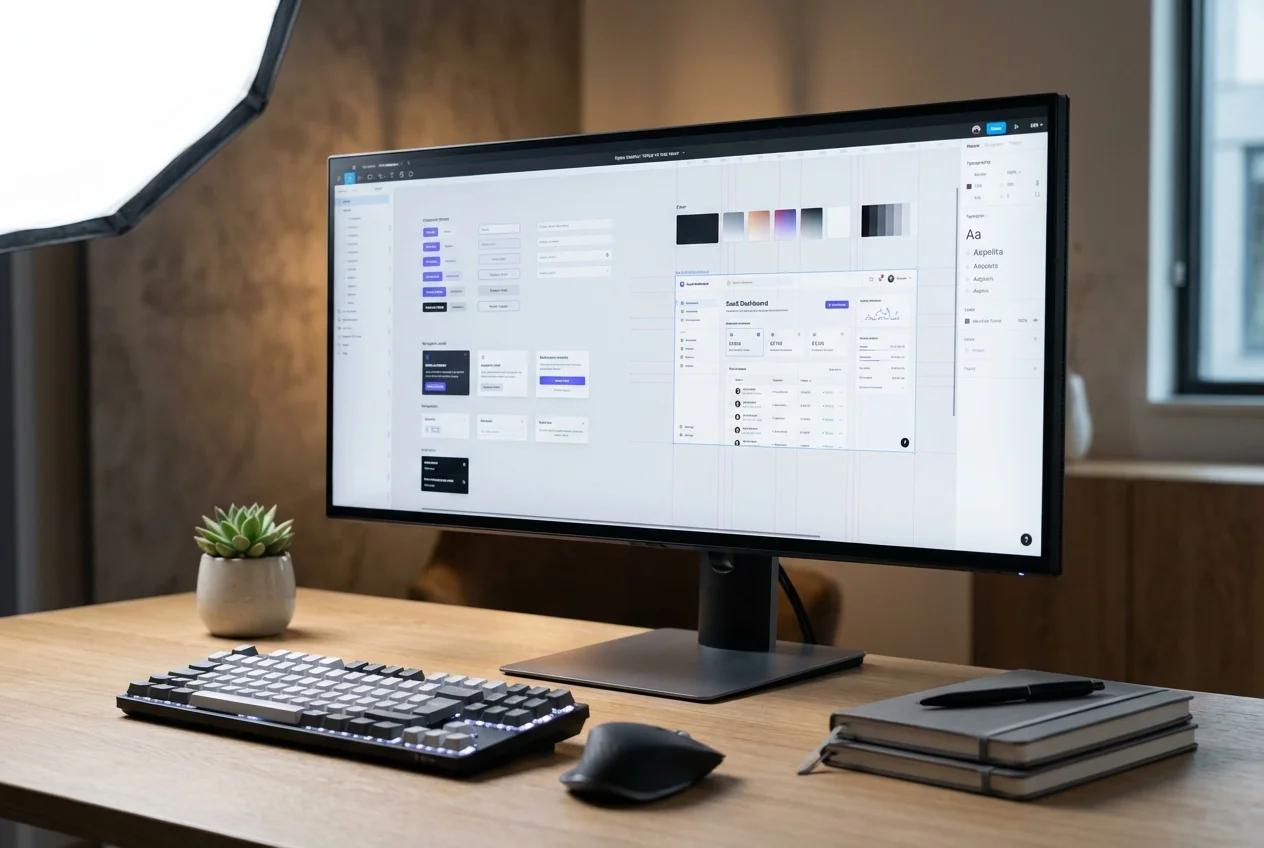 UI Design