Strategic UX Agency UK | Turn UX Into Growth
Why "Strategic UX" Is the Phrase UK Buyers Should Be Asking About in 2026
For roughly fifteen years, UK businesses bought UX design the way they bought marketing collateral — by the deliverable. A site redesign here, a mobile app there, a Figma file at the end. The buyer compared agencies on portfolio aesthetics, picked a winner, and waited for the screens to land. Half the time the work shipped late and underperformed on the metric the business actually cared about.
In 2026 that buying pattern is collapsing. The reason is simple: visual deliverables are increasingly easy to produce. Generative AI, mature design systems, and a globalised junior workforce have driven the cost of screen production down enough that competitive advantage cannot live there any longer. What remains genuinely scarce — and genuinely valuable — is the strategic layer above the screens. The decisions about which problem to solve, in which order, for which user, against which business metric. That is what a strategic UX design agency does, and it is the only part of the work that a serious UK B2B business should be writing six-figure cheques for.
Strategic UX Agency vs Tactical Design Studio: The Two Models Side by Side
The clearest way to separate the two is to look at what each one produces at the end of a six-week engagement.
Tactical Design Studio
- Polished Figma files showing the proposed interface
- A clickable prototype
- A design system or component library
- An engineering handover document
All useful. None of it answers the question: which of these design decisions will move the business metric we hired you to move?
Strategic UX Design Agency
- A written problem statement, agreed by stakeholders, that names a specific user segment and the friction blocking them from a specific outcome
- Evidence from research that proves the problem is real, frequent and economically meaningful
- A prioritised roadmap of interventions, with a hypothesis attached to each, ranked by expected impact on the named business metric
- The design work — yes — but as the second half of the engagement, sequenced from the strategy, not in parallel to it
- A measurement plan that defines how success will be evidenced after release
The deliverable list looks similar on the surface. The intellectual substance behind it is fundamentally different. As a UK conversion-focused UX design agency, every engagement we run is structured around that second model.
The Three Strategic Decisions Every UX Engagement Has to Make
If you only remember three things from this guide, make them these. A strategic UX design agency is the team that helps you answer them deliberately. A tactical studio either skips them or answers them implicitly through aesthetic preference.
1. Which User Segment Are We Designing For?
"Our users" is not an answer. Most B2B products serve at least three meaningfully different user segments — buyer, administrator, end user — and the optimal interface for each is different. A strategic UX engagement begins by naming the segment whose behaviour is most economically valuable to influence, and explicitly accepting trade-offs for the others.
2. Which Stage of the User Journey Are We Investing In?
Activation, conversion, retention, expansion and reactivation all respond to different design interventions. Spending £80,000 on a homepage redesign when your churn problem lives inside the product is one of the most common — and most expensive — mistakes UK businesses make. A strategic agency forces this decision before any screen is drawn.
3. Which Business Metric Are We Accountable To?
Conversion rate? Trial-to-paid? Net revenue retention? Daily active users? Each of these implies a different design hypothesis and a different success criterion. A strategic UX agency will not begin work until this is named and agreed by both sides.
What a Strategic UX Engagement Actually Looks Like, Week by Week
To make this concrete, here is the shape of a typical 10-week strategic UX engagement run by a senior UK agency. Yours may stretch or compress, but the sequence is what matters.
Weeks 1–2: Strategic Discovery
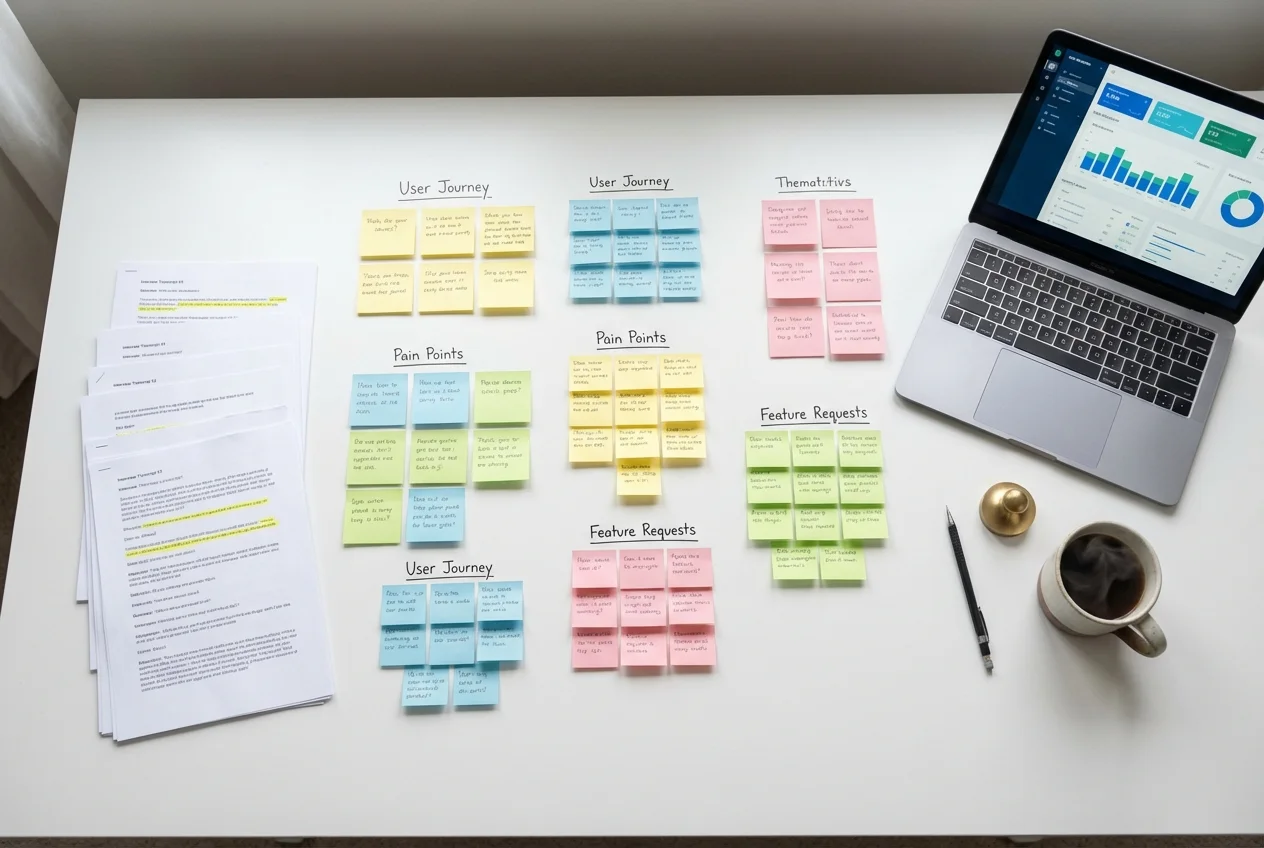
Stakeholder interviews with the commercial team to align on the business metric. User interviews with the named segment. Analytics review to size the opportunity. Competitive benchmark of how peers solve the same problem. Output: a written, agreed problem statement.
Weeks 3–4: Research and Friction Mapping
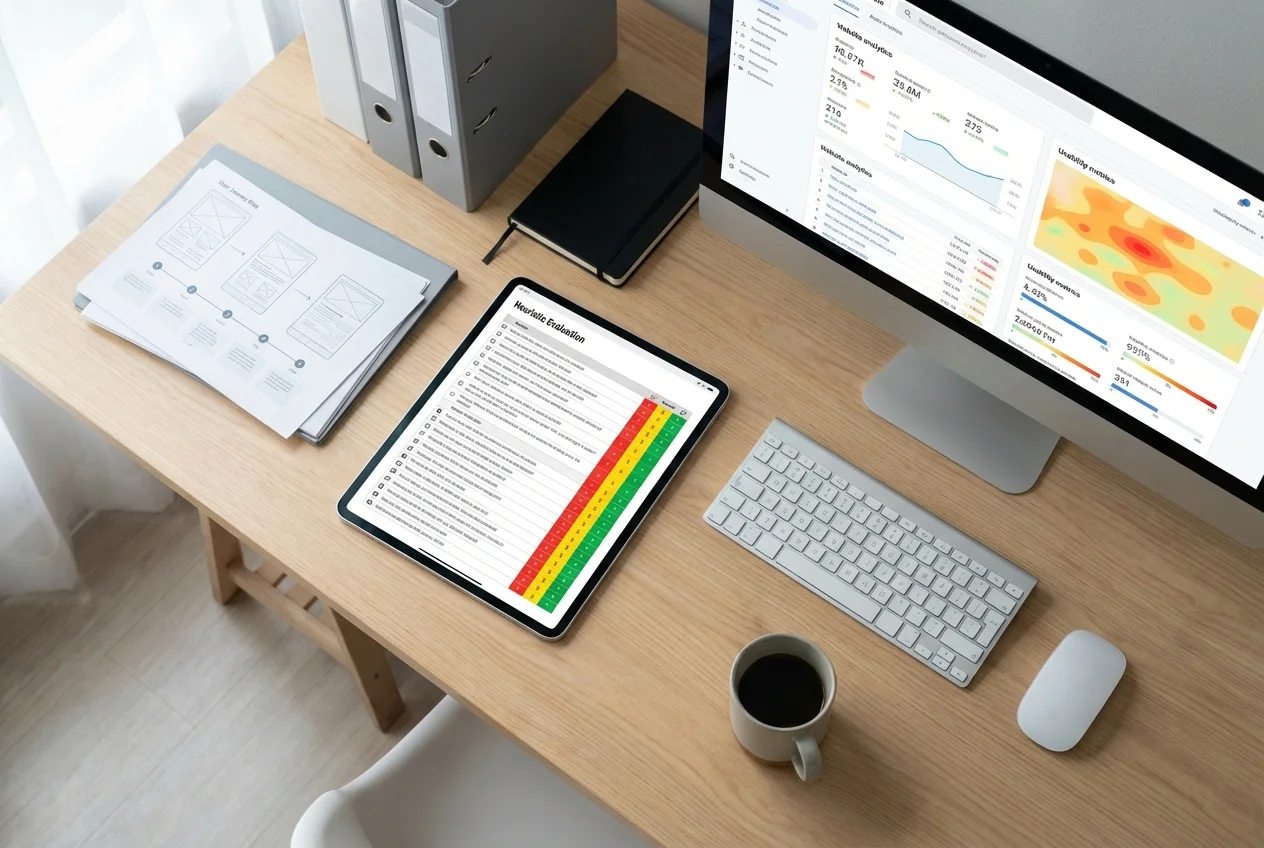
Moderated usability testing on the current product surface. Heuristic evaluation of the journeys touching the named metric. Quantitative behavioural review (funnels, drop-offs, support volume). Output: a ranked friction map, with each issue tagged to its likely commercial impact.
Weeks 5–6: Strategy and Hypothesis Design
Translation of the friction map into a set of design hypotheses. Each hypothesis is written in the form "if we change X, we expect metric Y to move by Z, because Z". The roadmap is prioritised by a simple impact / effort / confidence matrix. This is the deliverable that separates a strategic engagement from a tactical one — and the one most studios skip.
Weeks 7–9: Interface Design and Prototyping
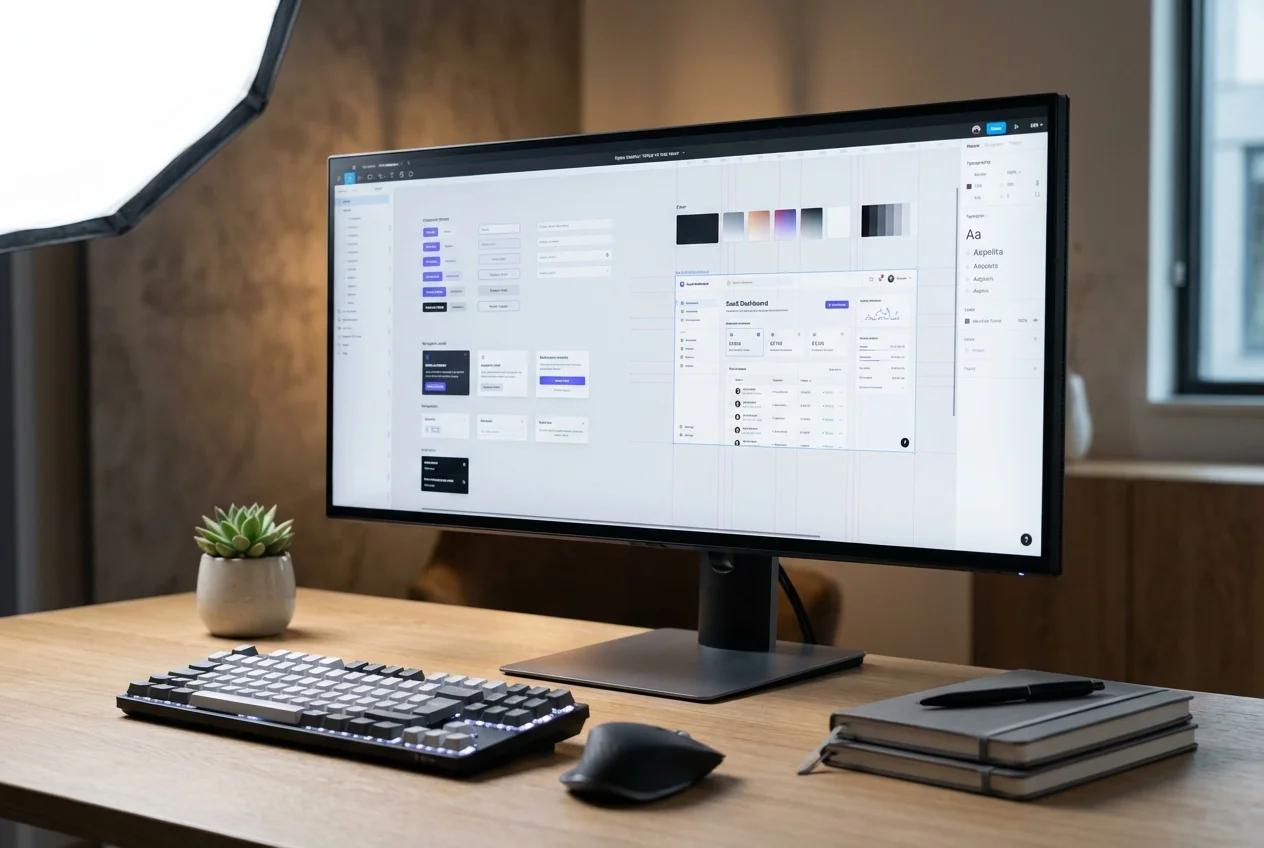
Only now do screens get designed. The visual and interaction design is constrained by the hypotheses, not the other way around. Each screen is annotated with the hypothesis it tests and the metric it is expected to move. Prototypes are validated with five real users from the named segment before handover.
Week 10: Engineering Handover and Measurement Plan
Production-ready handover to the engineering team, with the measurement plan documented for the analytics team. The engagement does not finish at handover — it finishes when the post-release measurement is in place to confirm whether the hypotheses held.
What a Strategic UX Design Agency Should Charge in the UK in 2026
Pricing in this category is not opaque, but it is wide. As of mid-2026, here is the realistic range for a senior UK strategic UX engagement:
- Strategic discovery sprint (2–4 weeks): £12,000–£28,000
- Full strategic UX engagement (8–12 weeks, ending in production-ready design): £45,000–£140,000
- Embedded strategic UX retainer (ongoing post-launch): £8,000–£25,000 per month
Quotes materially below these ranges almost always indicate that the strategic layer is being skipped — you are buying screens, not strategy. Quotes materially above usually reflect brand premium attached to a small number of well-known agencies. For the wider context on UK pricing, see our UK UX agency buyer's guide.
Why Strategic UX Matters More for B2B Than for Consumer Products
This is the single most important framing point for UK buyers. Consumer products often succeed on velocity and visual craft alone — ship more screens, iterate faster, win. B2B products do not work that way. The buyer is rarely the user. The decision cycle is months, not minutes. Switching costs are high. Activation is the moment that retains revenue for years.
In B2B, the cost of a tactical mistake compounds. A poorly designed onboarding flow does not just cost you one trial — it costs you the support burden, the brand perception, and the renewal twelve months later. The role of a strategic UX design agency is to prevent those compounding mistakes by forcing the right strategic decisions before the screens are drawn. Our companion piece on how interaction design improves B2B SaaS conversion goes deeper into the B2B-specific patterns.
How to Identify a Genuine Strategic UX Design Agency (vs One That Just Uses the Word)
"Strategic" is one of the most over-used words in agency marketing. Here are four diagnostic questions that separate the real strategic agencies from the ones who have rewritten their about page.
Q1: "Walk me through a recent engagement — what was the problem statement, and which user segment did you name?"
Real strategic agencies answer in 90 seconds with specifics. Tactical studios pivot to talking about the deliverables.
Q2: "What metric did the work move, and how do you know?"
If the answer is "the client was happy", you are looking at a studio. Strategic agencies own measurement.
Q3: "Who on your team writes the problem statement, and is it the same person who runs the senior research interviews?"
If those are two different people — or if the strategist is a juniors-led team — the strategic layer is fragile.
Q4: "What does your roadmap deliverable look like?"
Ask to see one (anonymised). Strategic agencies have a clear, well-rehearsed format. Tactical studios will be vague.
What a Strategic UX Agency Engagement Looks Like, Month by Month
Most UK buyers evaluating a strategic UX agency want to know what actually happens after the contract is signed — not just the philosophy. Month one is diagnosis: research, analytics review, and stakeholder interviews converge on a written problem statement and a named business metric. Month two is the roadmap: a prioritised sequence of interventions, each with a hypothesis and an expected impact size, reviewed and signed off by the business owner — not just the design lead. From month three onward, a strategic UX agency moves into execution sequenced from that roadmap, with a measurement checkpoint after each release to confirm the metric actually moved before the next intervention starts.
The pattern that separates a genuine strategic UX agency from a tactical studio wearing the label is this checkpoint discipline. A tactical studio ships the whole backlog and hopes something lands. A strategic UX agency ships the highest-confidence intervention first, measures it, and lets the result inform what gets built next — which is why engagements with a real strategic UX agency tend to compound in value over a two-to-three quarter arc rather than flatten out after the first delivery.
Working With Our Strategic UX Design Agency in the UK
If you are evaluating UK strategic UX agencies for an engagement in 2026, the single most productive next step is a 45-minute working conversation about the actual business metric you are trying to move. Our senior strategists will tell you honestly whether the problem you have described is research-shaped, design-shaped, or build-shaped — and what the realistic path looks like for each.
Book your free 45-minute strategic UX call with a senior UK practitioner, or explore our full UX strategy service page to see how we structure strategic engagements end-to-end. For a wider view of how strategic UX agencies compare with other UK studios, our UI & UX design agency UK guide sets the context.
 UX Research
 UX Audit
 UI Design